10 Smart Ways to Organize Your Refrigerator
Introduction
Effective Fridge Organization Ideas help you maintain a clean, efficient kitchen while keeping your ingredients fresh and easy to find. By implementing smart Fridge Organization Ideas, you can reduce food waste and ensure your perishables remain at optimal quality.
This guide provides practical strategies to transform your refrigerator into a streamlined, functional space. You will learn how to arrange items based on temperature zones to enhance food safety and discover how to select the right storage solutions for your needs. We cover the best ways to group similar products, utilize vertical space, and keep raw ingredients separated from ready-to-eat meals. Whether you are dealing with a small fridge or a large family-sized unit, these tips offer a clear path to a more organized and stress-free culinary routine.
Transforming Your Kitchen with Better Storage
An organized refrigerator serves as the foundation for a functional and aesthetically pleasing kitchen environment. By creating a system where every item has a dedicated place, you turn a chaotic space into a streamlined area that supports efficient meal preparation and daily cooking routines.
Maintaining order within these shelves plays a crucial role in reducing food waste. When you can easily see what you have, you are less likely to let perishable items expire in the back of the fridge. This visibility also helps you save time during busy evenings since you no longer need to hunt for specific ingredients or condiments.
Practical storage methods contribute to a more sustainable home by minimizing the amount of food that ends up in the trash. A tidy layout encourages better inventory management, helping you track what needs to be used first. Beyond the environmental benefits, keeping your kitchen surfaces and appliances orderly fosters a sense of calm and clarity throughout your living space.
To achieve this level of efficiency, consider these core principles:
- Group similar items together to simplify your search process.
- Use clear containers to maintain visual access to all your food.
- Place raw meat and dairy products in the colder areas to follow common guidance for food safety.
- Remember that the lower part of the refrigerator is typically colder than other areas.
Taking these steps ensures your kitchen remains a well-oiled machine. Applying these adjustments creates a balance between beauty and utility, making your daily interactions with your kitchen appliances much smoother and more enjoyable.
Best Fridge Zone Layouts
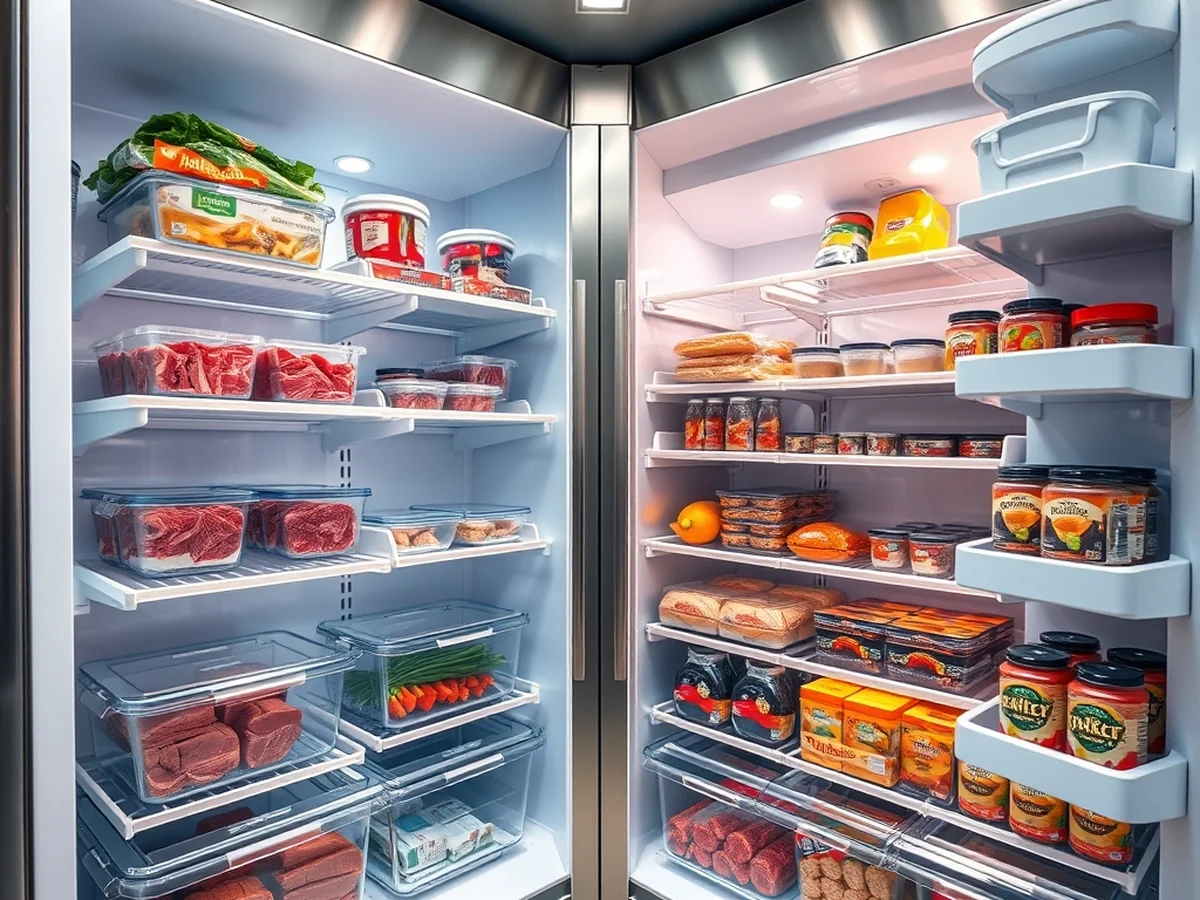
Understanding the natural temperature gradient inside a refrigerator is the first step toward effective fridge organization. According to Michigan State University’s Extension, the lower part of the refrigerator is typically colder than other areas. This colder zone preserves the quality of the most temperature‑sensitive foods and provides a built‑in safety buffer for raw proteins.
Why the Zone Layout Matters
- Food safety. Placing raw meat on the coldest shelf reduces the chance that its juices will drip onto ready‑to‑eat items, a key recommendation in FDA food storage guidelines.
- Extended freshness. Dairy products, eggs and other perishable items stay cooler longer when they occupy the lower shelves or the crisper drawer, which is designed to maintain higher humidity.
- Reduced waste. When items are stored at the appropriate temperature, they spoil less quickly, helping you cut food waste and keep your kitchen looking tidy.
Practical Step‑by‑Step Layout
- Start with a clean slate. Remove every item, discard anything past its use‑by date, and wipe the interior with a mild solution. A fresh start makes the zone plan easier to see.
- Identify the coldest zone. Use the lower shelf or the bottom drawer for raw meat, poultry and seafood. If you have a French‑door model, the bottom bin of the freezer compartment often stays the coolest.
- Allocate the middle shelves. Store dairy products, eggs and ready‑to‑eat leftovers here. BPA‑free plastic bins or glass containers keep portions visible and prevent spills.
- Reserve the top shelf and door. These are the warmest spots, so limit them to condiments, drinks, and foods that are less perishable, such as butter or jam.
- Use the crisper drawers. One drawer should be set to low humidity for fruits, the other to high humidity for vegetables. This respects the refrigerator temperature zones while preserving texture.
- Incorporate accessories. Lazy‑Susan turntables make corner spaces reachable, and hanging net bags can hold small snacks without taking up shelf depth.
Common Mistakes to Avoid
- Storing raw meat on the door or top shelf, which can cause cross‑contamination.
- Overloading shelves, which blocks air circulation and creates uneven temperatures.
- Using non‑ventilated containers for produce, which can trap moisture and accelerate spoilage.
- Neglecting the fridge organization chart; a visual guide helps maintain the layout over time.
By aligning your storage with the refrigerator’s natural temperature zones, you create a logical, safe, and aesthetically pleasing system. For additional inspiration on how to organize a fridge for efficiency, explore the ModManor Studio blog where style meets practical home solutions.
Essential Storage Tools and Containers
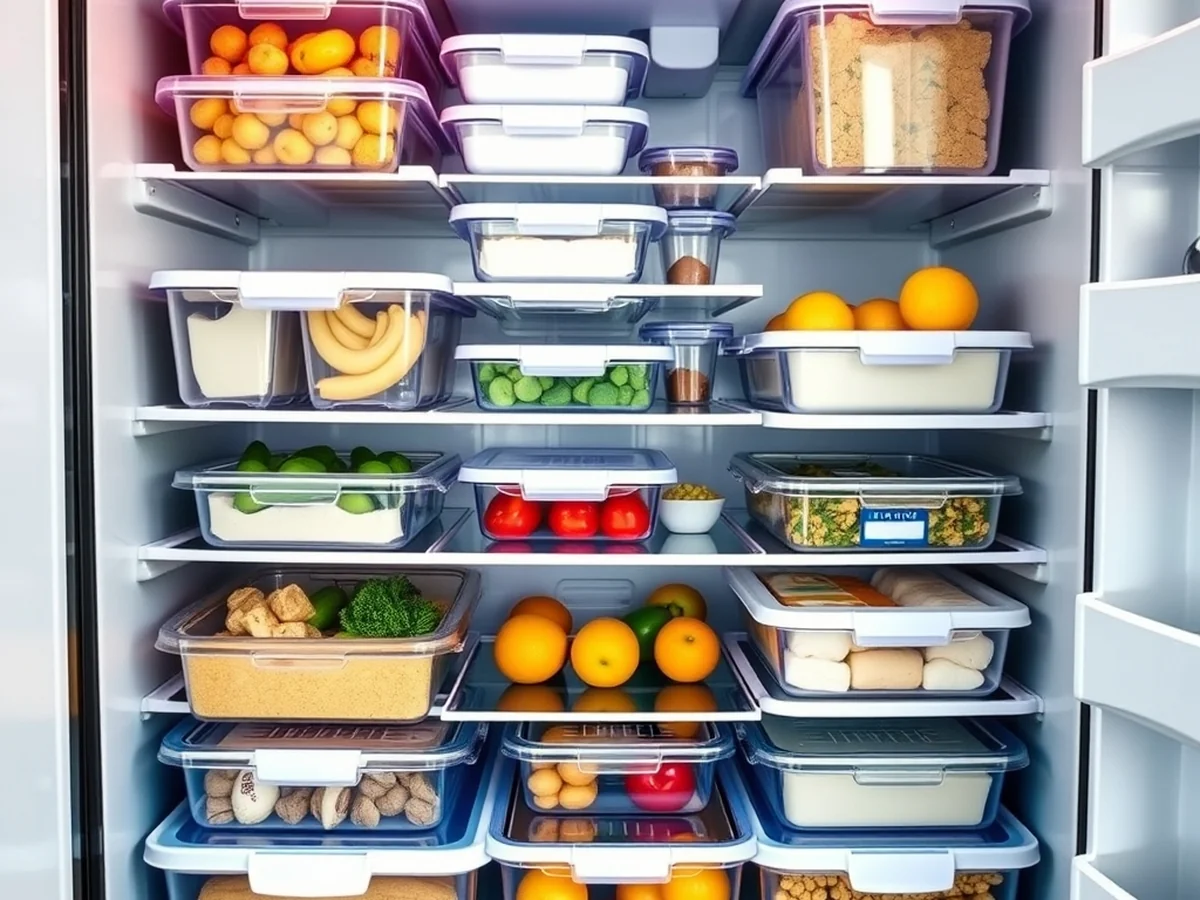
Implementing the right storage accessories is a transformative step when you learn how to organize fridge for efficiency. By utilizing specialized containers and liners, you can maximize usable shelf space, minimize clutter, and create a system that keeps perishable food items visible. An organized refrigerator not only looks aesthetically pleasing but also simplifies your daily routine by ensuring every ingredient has a designated home.
To build a high-functioning system, consider these core tools:
- Clear, BPA-free plastic bins: These allow you to view contents at a glance, which prevents ingredients from being pushed to the back and forgotten. Visibility is the primary defense against food waste.
- Lazy susan turntables: These provide smooth access to jars and condiments that would otherwise get lost in deep corners, eliminating the need to shuffle items around to find what you need.
- Shelf liners: These protect refrigerator surfaces from spills and crumbs. By catching messes before they spread, liners make your regular cleaning routine significantly faster and less labor-intensive.
- Standardized refrigerator storage containers: Using modular units enables you to stack items effectively. Uniform containers help you group similar items together, which supports better airflow and consistent temperature management across shelves.
Beyond selecting the right tools, placement is critical for food safety refrigerator storage. The lower part of the refrigerator is typically colder than other areas, and this physical reality should dictate your layout. It is common guidance to store raw meat and dairy products in these colder zones to maintain their quality and ensure safety. Placing raw items on the lowest shelf also serves as a vital safeguard against cross-contamination, as it prevents juices from dripping onto ready-to-eat foods below.
A common mistake is overcrowding your shelves, which restricts airflow and can lead to uneven cooling. When using bins and containers, ensure there is still enough space for air to circulate between items. By pairing these storage tools with a strategic approach to refrigerator temperature zones, you create a sustainable system that keeps your ingredients safe, visible, and perfectly organized.
Organizing Shelves by Category
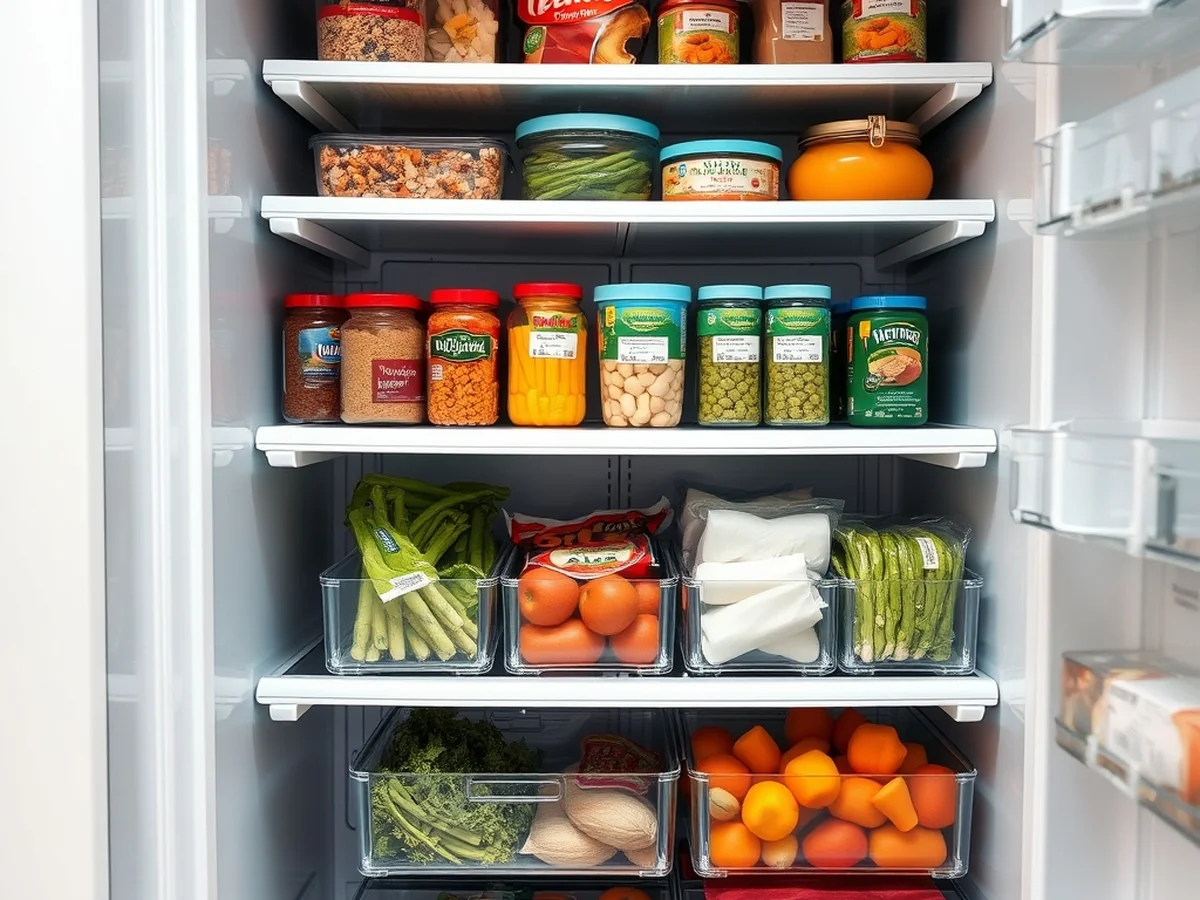
You can improve food safety by assigning specific categories to each shelf level. This vertical placement strategy ensures that items are stored at appropriate temperatures while minimizing the risk of cross-contamination throughout your appliance. When you organize your fridge by category, you create a logical flow that makes it easier to track inventory, ultimately reducing food waste and making your daily meal prep more efficient.
Utilizing Refrigerator Temperature Zones
The lower part of the refrigerator is typically colder than other areas, which makes it the most suitable location for items that spoil quickly. Common guidance suggests that raw meat and dairy products should be stored in these colder bottom regions. By placing these items on the lowest shelf, you also provide a safety buffer: if any juices leak, they will not drip onto ready-to-eat foods stored below. Always store raw proteins in sealed containers or on leak-proof trays to create a physical barrier and maintain food safety refrigerator storage standards.
Maximizing Visibility and Accessibility
The top shelves generally maintain a more consistent temperature and are ideal for items that do not require intense cooling. Use this space for ready-to-eat foods, such as deli meats, leftovers, and beverages. Because these items are placed at eye level, you are less likely to forget them, which encourages faster consumption and helps you manage your grocery budget. For small fridge organization tips, consider using transparent, BPA-free plastic bins or lazy susan turntables to group similar items together. This prevents small jars or packages from getting lost in the back of the fridge.
Maintenance and Efficiency
Organizing your shelves by category also supports better airflow, which allows your cooling system to operate at peak efficiency. When the interior is orderly, you can locate exactly what you need quickly, reducing the time the door remains open. Periodically reviewing your fridge organization chart helps you adjust storage based on seasonal items or bulk shopping trips. To maintain a tidy space, wipe down shelves during your weekly grocery restock to prevent sticky spills from accumulating.
Decluttering Your Fridge Daily
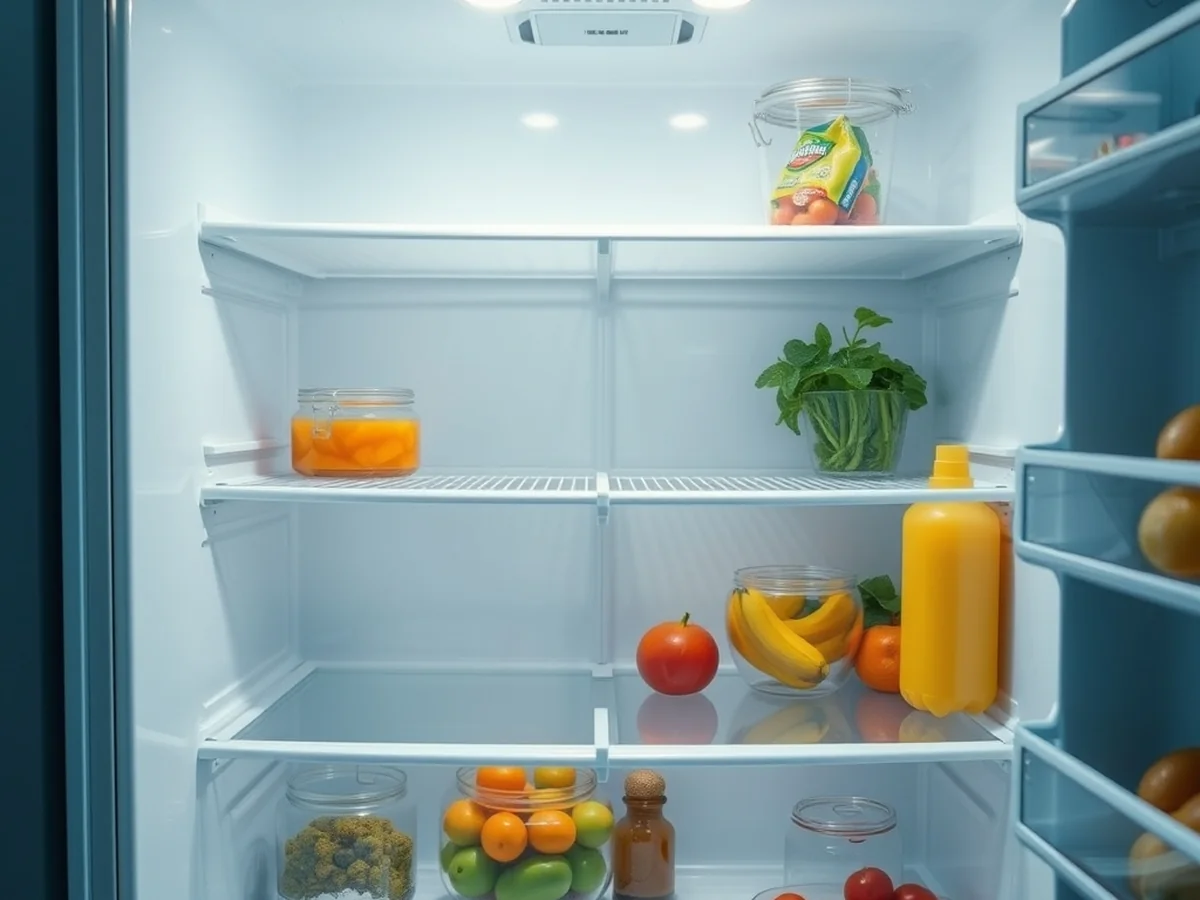
Maintaining a functional kitchen requires a consistent approach to perishable food items. Performing a weekly audit of your refrigerator helps prevent clutter and keeps the space ready for new groceries. To effectively manage your space, remove expired goods every seven days. This simple habit is key when you want to learn how to organize fridge for efficiency, as it ensures every shelf contains only fresh, usable ingredients rather than forgotten leftovers.
Mastering Food Safety and Temperature Zones
Monitoring your appliance temperature is critical for food safety. According to official guidelines, you should keep the internal climate at 40 degrees Fahrenheit or below at all times to effectively slow bacterial growth. If your unit does not feature a digital readout, use a dedicated refrigerator thermometer to verify the temperature. Consistent cooling is the foundation of proper food storage and helps extend the life of your perishables.
Strategic placement based on refrigerator temperature zones further protects your food. The lower part of the refrigerator is typically colder than other areas, making it the ideal spot for specific items. Common guidance suggests that raw meat and dairy products should be stored in these colder parts of the refrigerator to minimize the risk of cross-contamination. By grouping items according to their perishability and temperature requirements, you create a safer kitchen environment and make it easier to locate what you need.
Deep Cleaning for Hygiene
A deep clean involves removing all food items and wiping down surfaces with a mild, food-safe cleaner. Start by taking out any removable components, such as shelves and the crisper drawer, to soak them in warm soapy water. This process helps eliminate hidden spills or crumbs that can compromise food quality. Once the components are completely dry, return them to their proper slots. Incorporating these Fridge Organization Ideas into your routine maintains high hygiene standards, contributing to a stress-free and tidy kitchen aesthetic. For those working with limited space, implementing these habits is one of the most effective small fridge organization tips to maximize your storage capacity while adhering to food safety refrigerator storage standards.
Tailoring Organization to Fridge Types
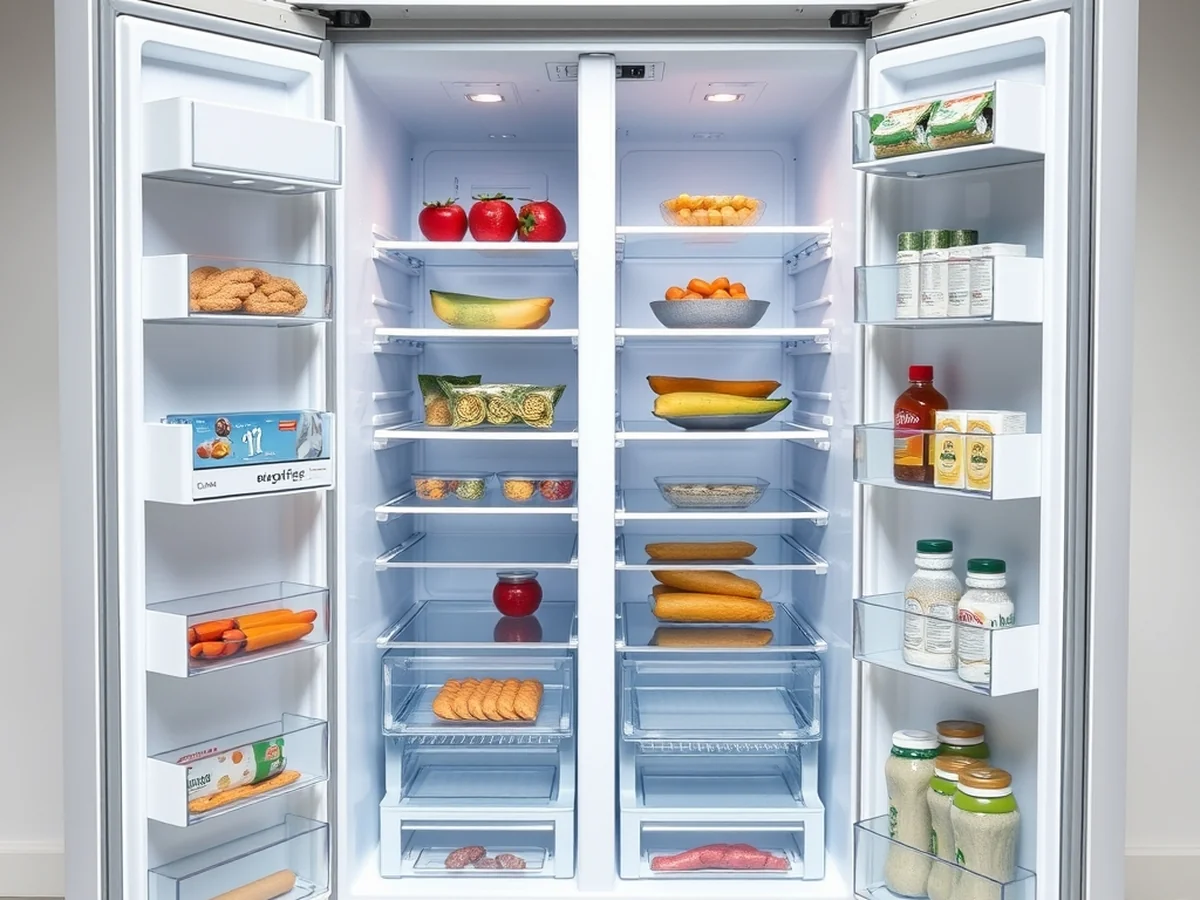
Effective storage requires adjusting your strategy to the specific layout of your appliance. Whether you have a side by side, a French door, or a compact unit, the goal remains prioritizing safety and visibility.
Side by side refrigerators often feature narrow shelves that can make storing wide items difficult. To maximize this space, group narrow items like condiments or tall beverage bottles together on one side to keep the other side open for larger containers. Use vertical space by stacking items that are safe to store that way, and keep the lower part of the refrigerator clear for perishable food items since this area is typically colder than other sections.
French door models provide generous width but require careful management of depth to prevent items from being forgotten. To utilize this vertical depth, place items you use daily at eye level and store bulkier goods toward the back using clear, slide out bins. This ensures everything stays reachable without needing to move multiple objects. Remember that common guidance suggests placing raw meat and dairy products in the colder parts of the refrigerator, which are usually located on the bottom shelves or near the back.
When applying small fridge organization tips for compact apartments, every square inch counts. Avoid bulky packaging that wastes room and instead transfer leftovers into slim, square containers that stack neatly. Use the door shelves for items that can handle temperature fluctuations, like water or soda, and utilize hanging bins to store small snacks or produce bags. Keeping your layout simple helps prevent overcrowding, which is vital for maintaining proper airflow and temperature regulation in limited spaces.
- Use square or rectangular containers to eliminate dead space between round items.
- Install magnetic bins on the interior walls if your fridge model allows for it.
- Place a lazy susan turntable in the corner of a deep shelf to reach items in the back without unloading the front.
- Label your containers to track expiration dates and reduce food waste.
Common Fridge Organization Mistakes
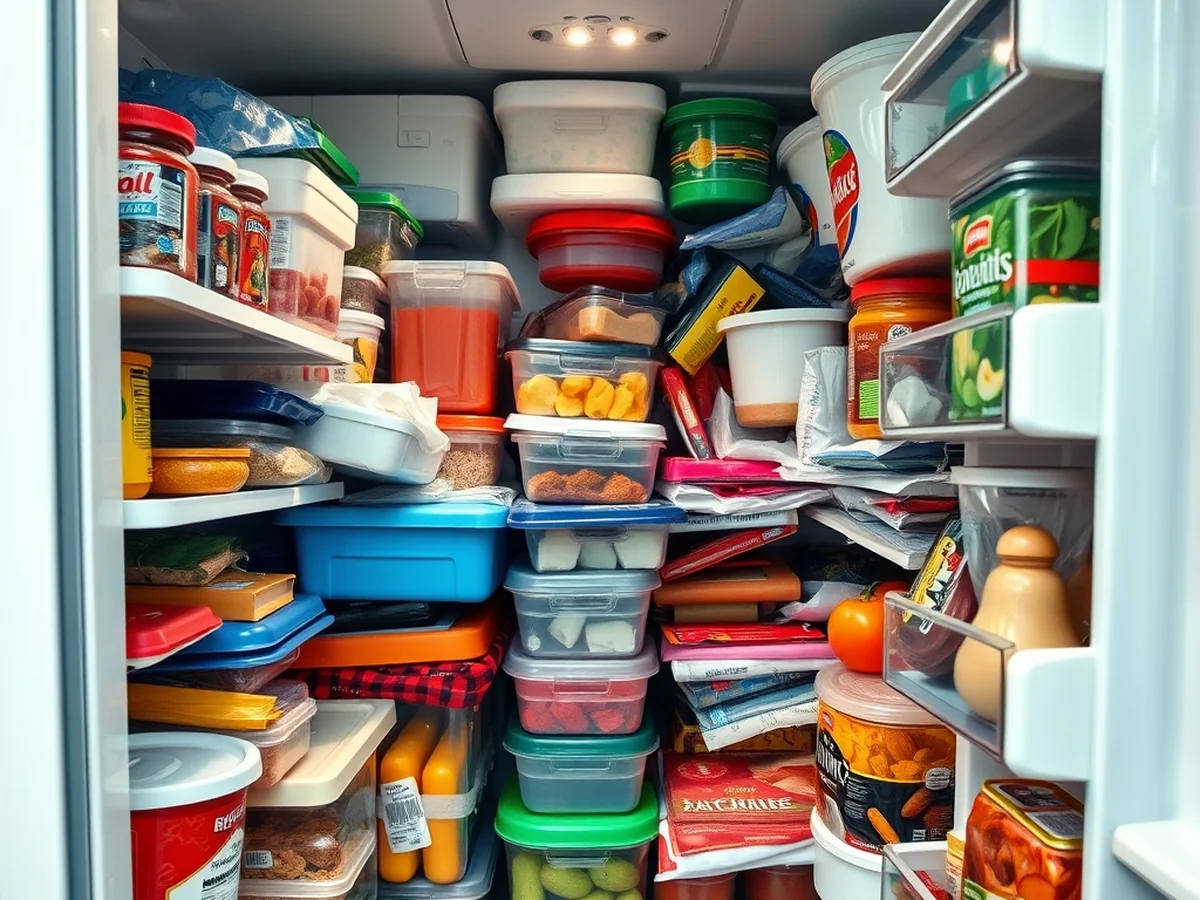
Achieving a functional kitchen environment requires more than just aesthetics. Many homeowners inadvertently compromise their food safety by repeating common organizational errors. Recognizing these pitfalls is the first step toward reducing food waste and ensuring your appliance operates at peak performance.
One of the most frequent mistakes is overcrowding. When you overstuff your shelves, you restrict the essential airflow required for the unit to maintain a consistent temperature throughout the interior. A packed fridge forces the motor to work harder and creates warm spots where bacteria can thrive. To counter this, utilize clear refrigerator storage containers that allow you to see exactly what you have without shifting items around, which helps maintain cold air circulation.
Another common oversight involves improper placement based on refrigerator temperature zones. The lower part of the refrigerator is typically colder than other areas, making it the ideal spot for items that require the most consistent chilling. A frequent mistake is placing raw meat or dairy products on the door or top shelves, where temperatures fluctuate significantly every time the door is opened. Typical guidance suggests that raw meat and dairy products should be stored in the colder parts of the refrigerator, ideally on the bottom shelf, to minimize cross-contamination risks and ensure they stay at a safe temperature.
Visibility issues often lead to forgotten items and wasted groceries. Relying on memory rather than a structured system can cause ingredients to expire before they are used. Implementing a fridge organization chart or a simple inventory list can help you track what needs to be consumed first. Furthermore, failing to group similar items limits your efficiency. By clustering items like condiments, snacks, or produce together, you reduce the time the door remains open, which in turn saves energy and protects your perishable food items.
Finally, avoid the mistake of ignoring shelf hierarchy. Placing raw proteins above ready-to-eat foods creates a significant cross-contamination risk, as juices can drip onto items below. Always place raw meats in sealed containers on the lowest level. By shifting your approach to prioritize logical placement and clear visibility, you create a more functional kitchen that supports both your meal prep goals and long-term food safety.
Fridge Items to Avoid

Maximizing efficiency in your kitchen involves knowing which items thrive in the cold and which are better off in your pantry. Not every grocery item benefits from a chilly environment. Some products lose their quality, suffer from texture changes, or stop ripening correctly when kept in cold temperatures. By identifying these items, you can optimize your refrigerator storage containers for perishable goods while freeing up valuable space for items that require strict temperature control.
Produce That Prefers Room Temperature
Certain fruits and vegetables actually perform better outside the appliance. Potatoes, for instance, should be stored in a cool, dark, and well-ventilated location. If kept in the cold environment of a refrigerator, their starches convert into sugars, which negatively alters both their texture and culinary performance. Similarly, onions require a dry, dark place with consistent airflow. The humidity inside a crisper drawer often leads to premature softening and spoilage. Tomatoes are another prime example: cold exposure for extended periods causes them to lose their characteristic flavor and develop a mealy, unappealing texture. For stone fruits like peaches and nectarines, as well as avocados, room temperature is essential to allow them to reach their peak ripeness and flavor profile.
Best Practices for Pantry Storage
Garlic is best kept in a dry pantry environment where air can circulate. Refrigerated bins introduce moisture levels that encourage mold growth and unwanted sprouting. When organizing your kitchen, consider utilizing hanging net bags for these non-refrigerated items. Mounting these bags on decorative hooks or under cabinets creates additional countertop space and ensures your produce remains accessible and organized. This method encourages natural air circulation, which is critical for maintaining the quality of fresh produce that is not yet ready for consumption.
Understanding Temperature Zones
Knowing what stays out is just as important as knowing where items go inside. The lower part of the refrigerator is typically colder than other areas, making it the ideal spot for items that require the most consistent cooling. While raw meat and dairy products should be stored in the colder parts of the refrigerator to help keep your food safe and prevent contamination, keeping non-perishable produce outside prevents overcrowding and helps you maintain an orderly, efficient kitchen layout.
FAQ
How do I start organizing a fridge?
Begin by emptying your refrigerator completely to clean every shelf and drawer with a mild soap solution. Once the surfaces are dry, categorize your items by type and check expiration dates before placing them back into the unit.
What items should be kept out of the fridge?
Many common pantry items like tomatoes, potatoes, onions, and garlic perform better when stored in a cool, dry place outside of the refrigerator. Storing these items at room temperature helps maintain their texture and flavor, which can be negatively affected by cold, humid environments.
How can I reduce food waste in the fridge?
You can significantly cut down on waste by using clear bins that keep your inventory visible at all times. Implementing a first-in, first-out system where older products are placed toward the front ensures you consume them before they spoil.
Where should I place raw meat in the fridge?
It is common guidance to store raw meat and dairy products in the colder parts of the refrigerator to maintain optimal food safety. Because the lower part of the refrigerator is typically colder than other areas, it serves as the safest location for these perishable food items to prevent bacterial growth.
How can I prevent cross-contamination?
Store raw meat on the bottom shelf in a sealed container or on a tray to ensure any juices cannot drip onto ready-to-eat foods below. This simple shelf hierarchy is a standard practice for maintaining hygiene and following recommended guidelines for keeping food safe in the refrigerator.
Conclusion
The lower part of the refrigerator is typically colder than other areas, making it the ideal spot for perishable items like raw meat and dairy products. By prioritizing these temperature zones, you can better manage food safety and reduce unnecessary waste. Integrating these Fridge Organization Ideas into your routine creates a more functional and hygienic kitchen environment. Start by clearing your shelves today to assess your available space and determine which storage containers best fit your specific layout.
Sources: canr.msu.edu
You might also like: What Happens If a Range Hood Is Mounted Too High (Loss of Suction)?